

Best Time to Visit Maui
A Seasonal Guide to Weather, Events, and Island Life
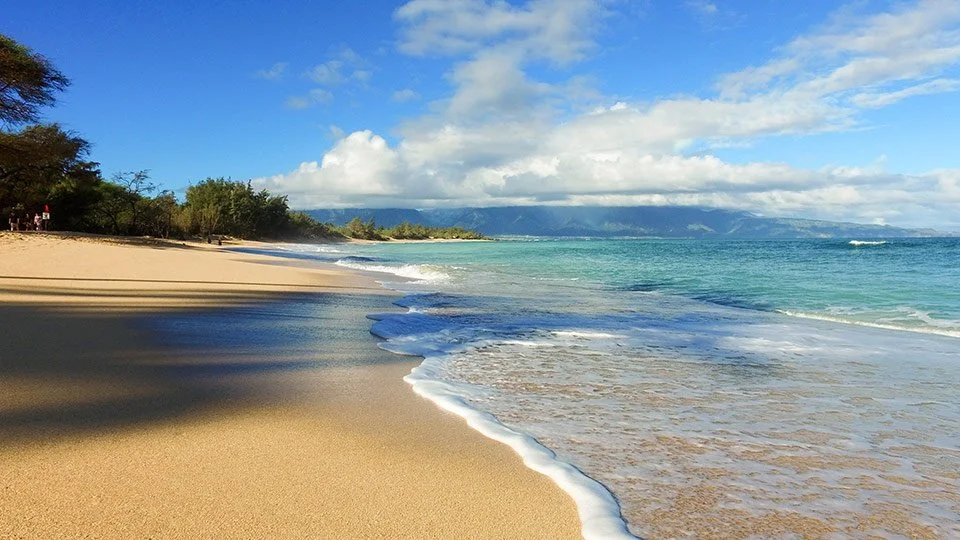
A guide to the island’s rhythms through seasons and the events that define them
Maui doesn’t follow four traditional seasons, but it absolutely moves in cycles.
Those shifts show up in ocean behavior, rainfall, wind patterns, and a steady cadence of cultural and culinary events that shape the experience of the island throughout the year.
Winter brings whales and dramatic surf. Summer delivers the calmest ocean conditions. Spring and fall sit in between, arguably the most balanced and livable times on Maui.
And layered into all of it are events that subtly, but meaningfully, change the island’s energy.
Spring (March – May)
Green landscapes, easing pace, and transition in the ocean
Spring is Maui coming out of intensity.
Winter rains taper off, but their effect lingers. This is when the island is still visibly green, especially Upcountry. In late April through May, jacaranda trees bloom in areas like Kula, briefly washing entire slopes in soft purple. It’s fleeting and very local, but unmistakable if you catch it.
Visitor volume drops after March, and the island becomes easier to move through. Reservations open up, beaches feel less crowded, and there’s a sense of regained space.
Ocean-wise, this is a transition period. North swells, common in winter, become less frequent by April. South-facing shores grow more consistently calm heading into summer.
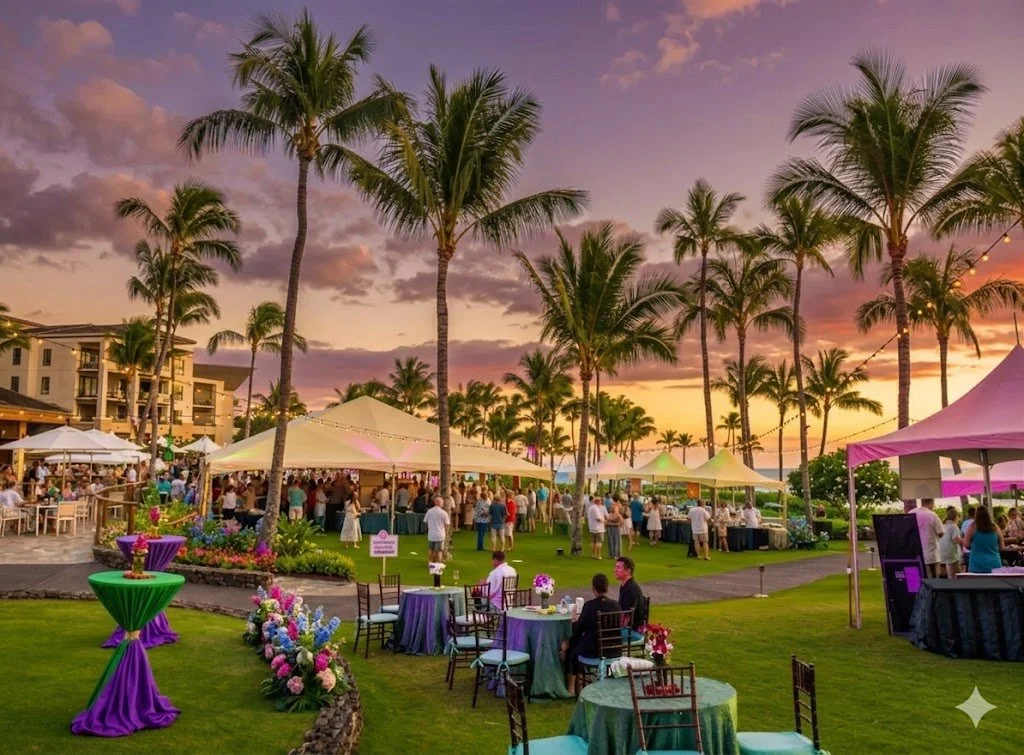
What defines spring:
• Residual greenery from winter rain, especially Upcountry
• Jacaranda bloom (late April–May, Kula and surrounding areas)
• Noticeable drop in peak-season crowds
• Mixed but improving ocean conditions
Key Spring Events:
Kapalua Wine & Food Festival
A longstanding, high-level culinary event. Expect curated tastings, winemaker dinners, and seminars led by master sommeliers. It draws a knowledgeable, affluent audience rather than casual attendees.
Prince Kuhio Day (March 26)
Cultural ceremonies, lei draping, and community gatherings honoring Hawaiian royalty. It’s not staged for visitors. It’s locally rooted and respectful in tone.
Seabury Hall Craft Fair (May)
One of the island’s most established Upcountry events. High-quality local artisans, food vendors, and live music, well attended by residents and second-homeowners.
Maui Classical Music Festival (May)
Small-scale, refined performances held in intimate venues such as churches and theaters. Quiet, cultural, and often overlooked.
Summer (June – August)
Calm ocean, long days, and peak social season
Summer is Maui at its most open and active.
The ocean settles, particularly on the south and west shores, creating the most reliable conditions of the year for swimming, snorkeling, and boating. Visibility tends to be excellent, and water conditions are consistently calm.
Trade winds are more present, especially in the afternoons, keeping temperatures comfortable while adding breeze to areas like the North Shore.
This is peak travel season. The island feels full, with restaurants, resorts, and beaches all operating at capacity.
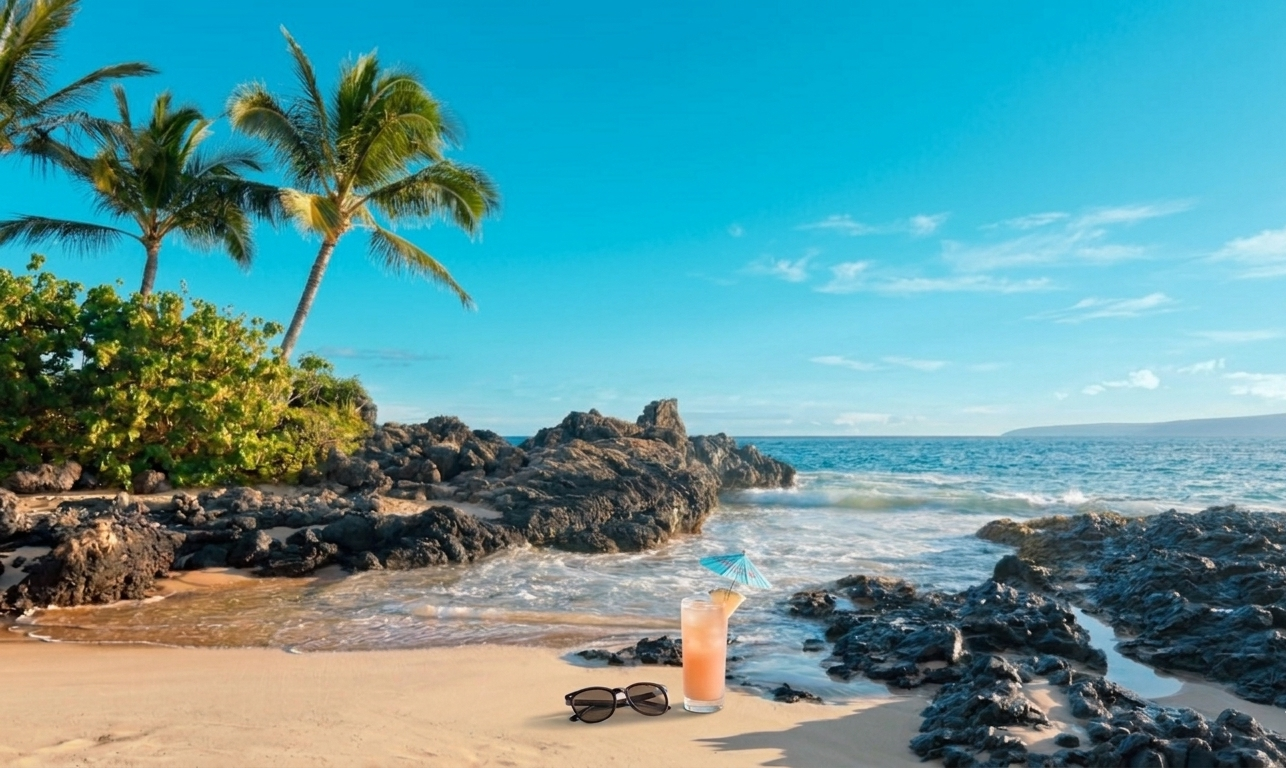
What defines summer:
• Consistently calm ocean conditions, especially south and west shores
• Stronger, more consistent trade winds
• Peak occupancy and social energy
• Long, stable, sun-heavy days
Key Summer Events:
King Kamehameha Day (June 11)
Celebrated with floral parades, particularly in Lahaina, featuring pāʻū riders, traditional dress, and Hawaiian ceremony.
Maui Film Festival (June)
Open-air screenings under the stars, paired with private receptions and culinary events. It attracts a well-positioned crowd without becoming overly public.
Makawao Rodeo (July)
A direct expression of paniolo culture, including bull riding, roping, and a strong local turnout. One of the clearest contrasts to the resort side of Maui.
Obon Festival (through summer)
Hosted at local temples, featuring lanterns, bon dances, and food. Quiet, rhythmic, and deeply rooted in Maui’s local Japanese community.
Fall (September – November)
Warm water, fewer people, and quiet access
Fall is Maui without friction.
The crowds of summer drop off, but ocean conditions, especially on the south shore, remain calm and warm. Water temperatures are often at their peak after months of summer heat.
Weather is stable. Availability improves. The island feels more spacious, more usable, and more private.
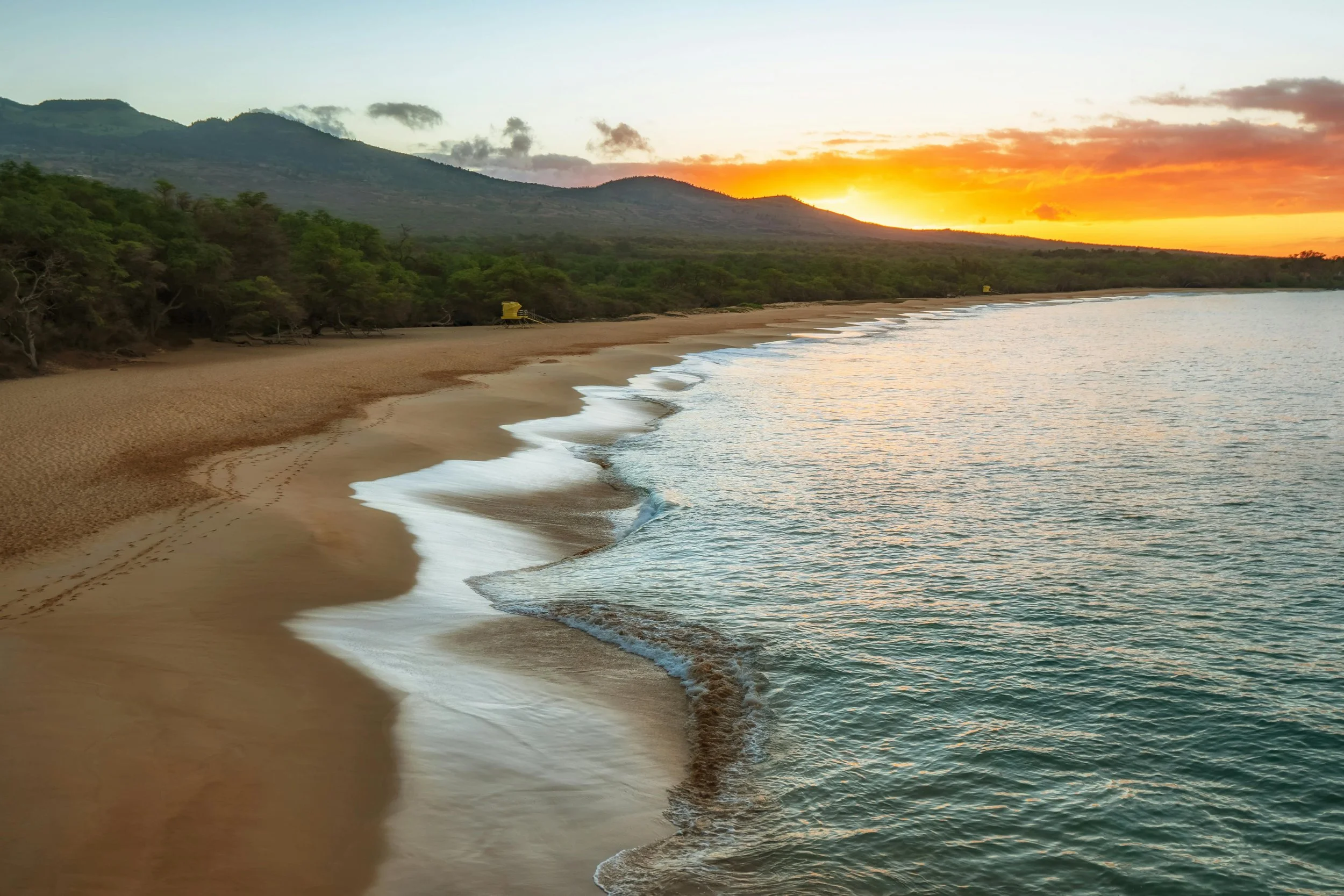
What defines fall:
• Warmest ocean temperatures of the year
• Significantly reduced visitor volume
• Continued calm conditions on south shores
• A quieter, more residential feel
Key Fall Events:
Hawaii Food & Wine Festival (October, Maui events)
International-level culinary programming featuring Michelin-recognized chefs, high-end tastings, and resort-hosted events.
Maui County Fair (October)
Agricultural exhibits, food, and local entertainment. Not luxury, but an authentic window into the island’s community.
Lahaina Plantation Days
Cultural demonstrations and historical storytelling tied to Maui’s plantation era, more educational than performative.
XTERRA World Championship (Oct/Nov)
Brings an international endurance crowd, creating a noticeable shift in energy during the event window.
Winter (December – February)
Whales, swell, and peak demand
Winter is Maui at full expression.
This is the island’s busiest season, especially late December through early January. Demand is high, reservations are tight, and the social energy is elevated.
The defining shift is in the ocean.
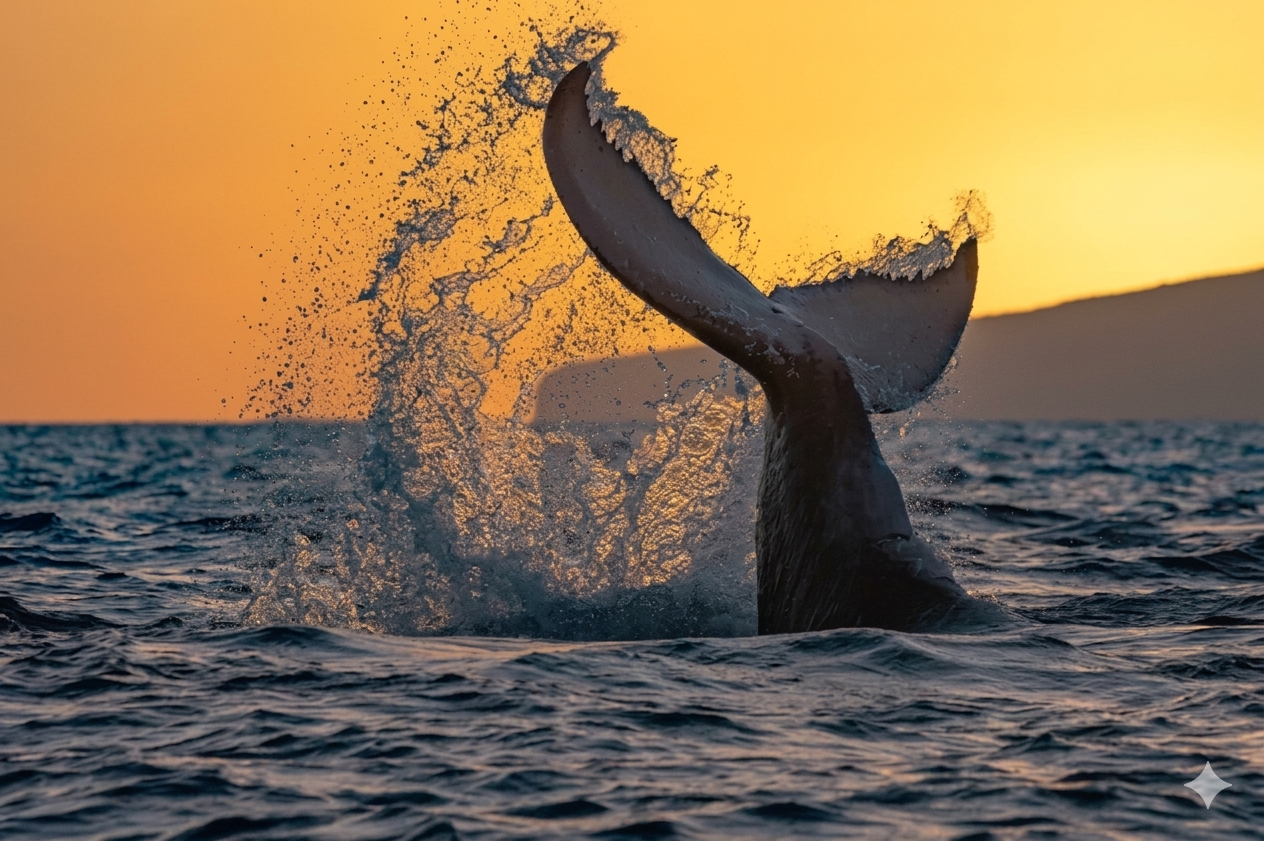
North and west shores see powerful swells, while south-facing areas remain comparatively calm. Just offshore, humpback whales arrive in large numbers, visible daily from many coastal vantage points.
Evenings are slightly cooler, and rainfall increases, primarily windward and Upcountry, but showers are typically brief.
What defines winter:
• Humpback whale migration
• Large north and west swells
• Peak visitor demand and pricing
• Slightly cooler evenings with intermittent rain
Key Winter Events:
Humpback Whale Migration (Dec–March)
Thousands of whales in Maui waters. Breaching, tail slaps, and daily sightings become part of normal life.
Maui Jim Maui Invitational
A nationally recognized NCAA tournament drawing teams, media, and a polished spectator crowd.
Christmas / New Year’s Eve
Celebrated across Wailea and Kapalua with private dinners, curated resort programming, and high demand across luxury properties.
Chinese New Year Celebrations
Lion dances, cultural performances, and community gatherings. Subtle but culturally rich.
The Takeaway
Maui doesn’t hand you dramatic seasonal shifts.
It rewards attention.
The difference between seasons isn’t temperature. It’s how the island lives, how the ocean moves, when the crowds recede, when certain communities gather, and when the landscape quietly changes color, even briefly, like jacaranda in bloom.
And once you see that, you stop asking when is the best time to visit
and start choosing when Maui aligns with you.
