

The Essential Guide to Maui Home Insurance for Buyers
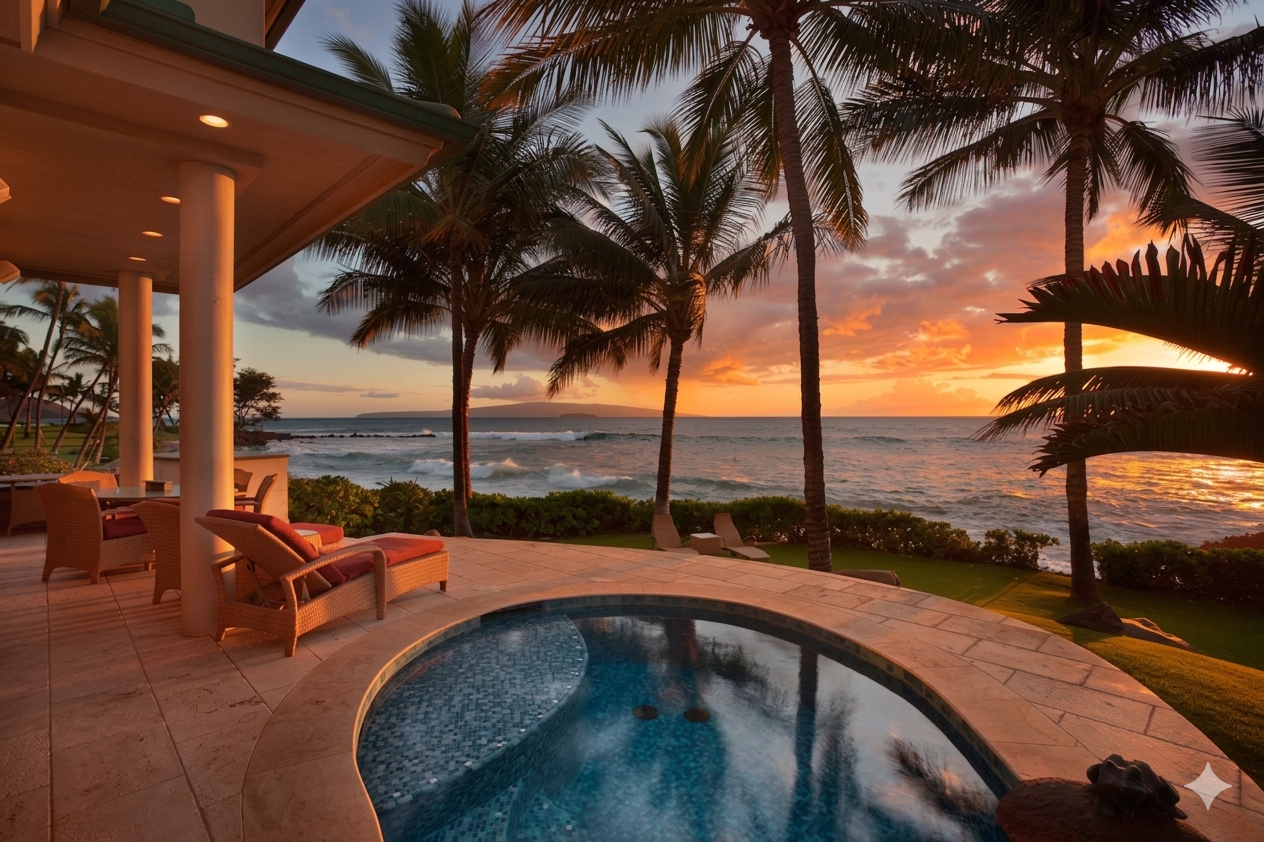
Purchasing a home on Maui is more than a transaction. It is a commitment to a lifestyle shaped by natural beauty, thoughtful living, and long-term investment. Insurance, while often understated, quietly protects that investment.
As a buyer, you do not need to master every technical detail. What matters is understanding the structure of coverage, what each policy is designed to protect, and what is typically expected when owning property on Maui.
This guide outlines the key insurance types, including HO-3, HO-6, flood, wind, and additional layers, in a clear and composed way so you can move forward with confidence.
HO-3: The Standard Homeowners Policy
For single-family homes on Maui, the HO-3 policy serves as the foundation of protection.
What an HO-3 Policy Covers
The Home Itself
This includes the physical structure such as the roof, walls, built-in features, and attached spaces like garages or lanais. Coverage typically applies to events like fire, theft, certain water damage, and many wind-related incidents.
Other Structures
Detached elements such as fences, guest cottages, or standalone garages are generally included within defined limits.
Personal Belongings
Furniture, clothing, and everyday items are covered up to policy limits. Higher-value items such as fine jewelry or art often require separate scheduled coverage.
Loss of Use
If your home becomes temporarily uninhabitable due to a covered event, this helps cover the cost of alternative accommodations.
Personal Liability
Protection in the event someone is injured on your property or if you are found responsible for damage to another person’s property.
When It’s Required
If you are financing your purchase, your lender will require an HO-3 policy prior to closing and throughout the life of the loan.
For cash buyers, it remains the primary safeguard for both the structure and your belongings.
HO-6: Condo Insurance for Unit Owners
For condominiums and certain townhomes, insurance is layered. The HO-6 policy is your personal portion within that structure.
How Coverage Is Divided
Association Master Policy
Typically covers:
The building exterior such as roof and walls
Shared spaces like lobbies, pools, and fitness areas
Common systems such as elevators and some plumbing or electrical
Your HO-6 Policy Covers
Interior Finishes
Depending on your condo documents, this may include flooring, cabinetry, fixtures, and interior walls.
Personal Belongings
All items within your unit including furniture, electronics, and decor.
Liability Protection
Coverage if someone is injured within your unit.
Loss of Use
Support for temporary living arrangements if your unit becomes unlivable.
When It’s Required
Lenders typically require both proof of the association’s master policy and your individual HO-6 coverage.
Even for cash buyers, an HO-6 policy is considered standard to protect personal assets and liability.
Flood Insurance: Separate and Specific
Flood insurance is not included in standard homeowners policies. It is a separate form of protection designed specifically for rising water from external sources.
What It Covers
Structural damage caused by flooding, such as runoff or overflow
Limited coverage for personal contents, depending on the policy
It is important to distinguish this from internal water issues like burst pipes, which are typically handled under a homeowners policy if covered.
When It’s Required
Often required by lenders in designated flood zones
Optional elsewhere, but frequently considered depending on location and risk tolerance
Wind and Storm Coverage
Maui’s environment makes wind and storm protection essential. This coverage may be built into your primary policy or structured as a separate provision with its own deductible.
What It Typically Includes
Damage to the roof, windows, and structural elements from strong winds
Secondary damage such as rain entering through wind-created openings when covered by policy terms
What to Confirm
Work with your insurance advisor to understand:
How wind-related deductibles are calculated
Whether your property has any special conditions based on location
Lenders will generally require clear confirmation that wind risk is appropriately covered.
Volcanic Coverage: A Hawaii Consideration
While Maui is not a primary lava-risk area, insurance policies in Hawaii often define how volcanic activity is treated.
What It May Include
Coverage for volcanic events such as ash or airborne materials
In some cases, damage caused directly by volcanic activity if not excluded
For Maui buyers, this is typically a matter of awareness rather than a central concern, but still worth reviewing.
Additional Coverage Many Buyers Choose
Beyond standard policies, many homeowners select additional layers that better reflect their lifestyle and assets.
Scheduled Personal Property
Ensures high-value items like jewelry, fine art, or collectibles are fully protected.
Umbrella Liability Policy
Provides extended liability coverage beyond standard limits, offering added financial protection.
Rental or Landlord Coverage
If you plan to rent your property, short or long term, you will typically need a policy or endorsement that allows for that use.
Five Questions Every Maui Buyer Should Ask
To keep the process clear and focused, consider asking:
Which base policy fits this property, HO-3 or HO-6, and what does it cover in practical terms?
How does this policy handle wind and storm exposure for this specific location?
Should I carry flood insurance here, and what would it protect?
How does the policy address large-scale natural events, including volcanic activity?
Do I need additional coverage for high-value items or future rental use?
A Thoughtful Approach to Protection
Insurance does not need to feel complex. At its core, it is about alignment. Ensuring your coverage reflects how you intend to live in your home.
When thoughtfully structured, it becomes a quiet foundation. One that allows you to experience Maui as it was meant to be, with ease, confidence, and attention placed not on risk, but on the life unfolding around you.
